

Five Ways Social Media Is Ruining Your Sex Life
A 2024 study linked heavy social media use with an increased risk of vaginal dryness, erectile dysfunction and low libido. By August McLaughlin. 08/08/2025 07:00AM EDT | Updated Aug 10, 2025
I was skimming through news stories online when I stumbled across the above article. Social media can ruin my sex life? That stopped my scrolling! While part of my mind scoffed, “Probably just something new to blame on social media,” another part wondered if there was any truth to it.
Not willing to rely on one article, I ‘googled’ in search of any additional stories. On the first page of my search I found links to seven articles. Who knew? With my curiosity aroused, (pun intended), I read every article.
August McLaughlin, a nationally known health and sexuality author, posted an article on HuffPost addressing the impact of social media on a person’s sex life. This was one of the many articles I found on the subject. (https://augustmclaughlin.com/)
McLaughlin cites the experience of Grace J. who “took a break from social media”. Her partner was dealing with insomnia and his therapist recommended cutting back on his use of social media. To support him, Grace also reduced her social media engagements. She reported they had more physical contact and communicated more, leading to a more fulfilling sexual relationship.
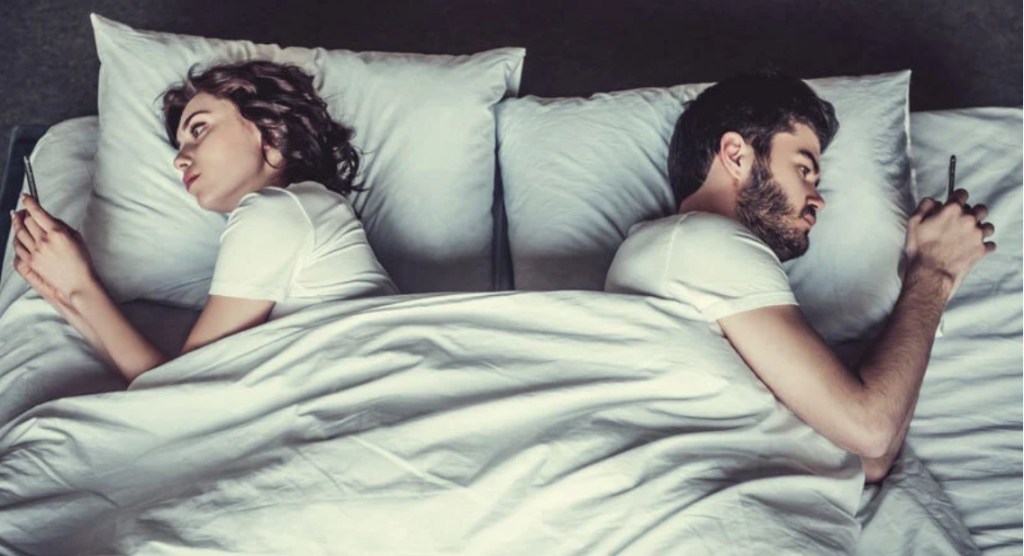
Experts view social media as a double-edged sword. On one hand the internet can provide useful insights into sexual issues. It also allows for entertainment, news, and information about almost any subject. It can distract users from minor issues or offer suggestions of solutions for solving them. Example- how to get red wine stains out of your carpet, the best way to prepare shrimp fra diavolo, or where to get the oil changed in your car.
As social media users we may start out checking movie times, venture on to movie reviews, and before we realize it a couple of hours have passed and we missed the last showing of the film. Or, as we check our email there’s a link from a friend leading to a subject we’d discussed earlier. Suddenly it’s two in the morning and we have to get up for work in four hours.
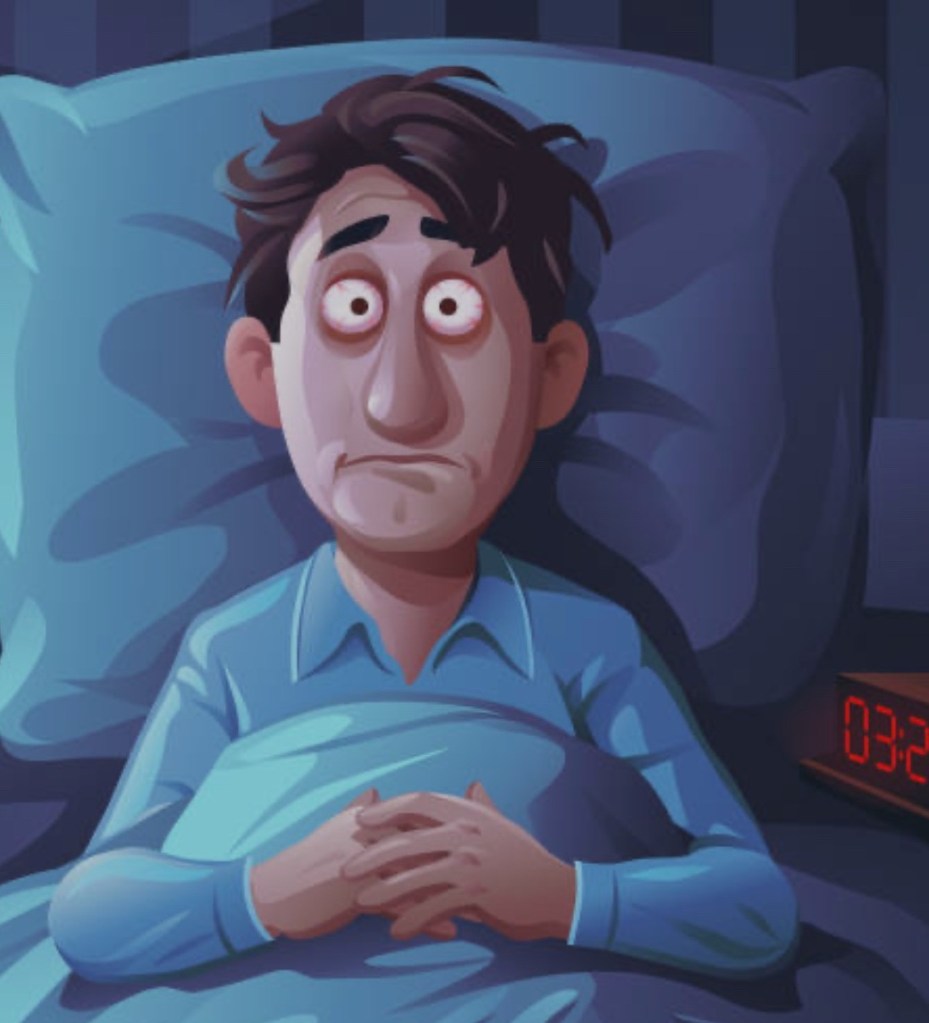
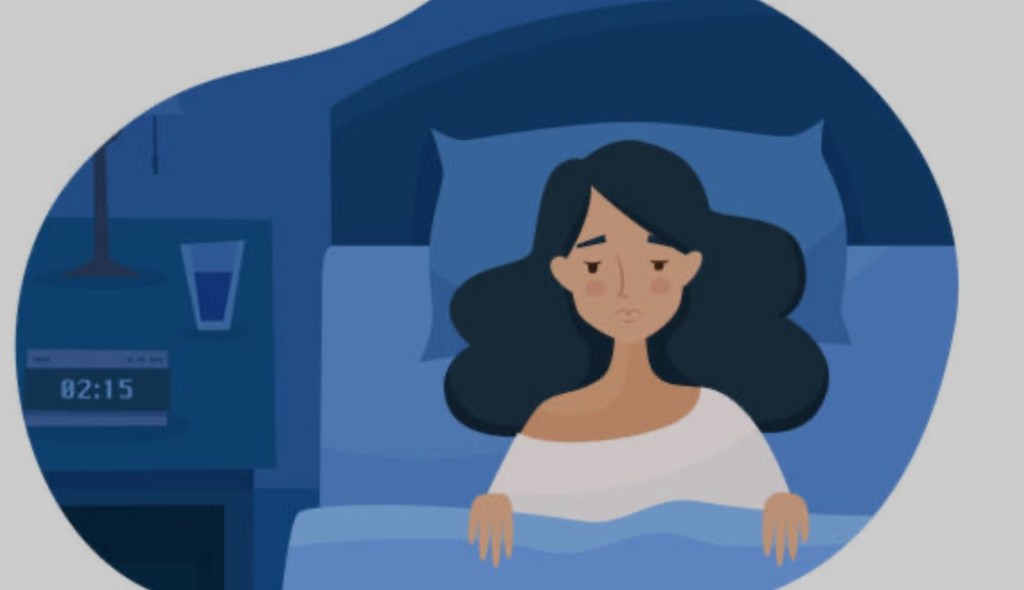
As we try to go to sleep our minds wander back to things we’ve read online. Maybe our partner is feeling romantic, but we’re too distracted to rise to the occasion. We can’t sleep, we’re distracted by an article on partners who cheat, or how men prefer women with big breasts and we have C cups, or women prefer men with muscular legs and ours look like matchsticks.
What does an overload (or an average load) of social media do to your sex life? And what can you, or should you, do about it? A 2024 study links “heavy social media use with an increased risk of vaginal dryness, erectile dysfunction, and low libido.” Holly Nelson a certified (EMDR) Eye movement desensitization and reprocessing therapist said, “Many people think social media is a harmless distraction, but it subtly rewires how we connect, regulate our emotions, and value ourselves, and that ripple effect will show up in the bedroom.” So, how does social media affect your life, and what can you do to change it?
What can excessive use of social media use cause in your intimate life?
1. Low Self-Esteem Social Media is as much a fantasy as it is a reality. It’s easy to compare your life to the lives of social media “stars” or “influencers.” Often you see people with perfect bodies, living in luxury, with more followers than a small city, living the kind of lives popular in film. There is nothing wrong with wanting to have a comfortable life. But, when you compare your life to what seem to be the perfect lives of social media personalities, you are likely to find your life lacking. It’s not a stretch to begin to question your self worth. Then, your anxiety begins to affect all the aspects of your life.
2. Poor Body Image There was a time when the average Joe or Jane may have wished they looked like Beyonce or Brad Pitt. Realistically they know that’s unlikely. But, looking like Loren Gray or Griffin Johnson doesn’t seem so far fetched. After all, they are just people who happen to be admired by millions for their appearance. When buff-bodied men and sleek sexy women are idolized and followed its not difficult to feel unattractive next to them. How can you feel good when comparing your body to that of these desirable personalities? Naked, every flaw, real or imagined, is on display to your partner. During intimate moments you might wonder if parts of your body are firm enough, large enough, smooth enough, or simply, enough. The distraction of your concerns is likely going to interfere with your enjoyment.
3. Little Time For Intimacy Our lives are busy with our careers, our families, our daily obligations like laundry, shopping, ferrying children to school and activities, and the unexpected chores that pop up. In between these you might find a few minutes here and there to check out your social media accounts. In pre-Internet days our evenings were often spent cuddled up with our significant others watching television or listening to music; sharing time with our partners. Scrolling social media is not a shared experience. We sit on opposite sides of a room, or possibly in separate rooms, zipping from site to site. Suddenly, it’s well into the night and you’re too tired to snuggle with your partner. Even if you are in the same bed, you aren’t on the same page. If your partner does make a move and you ignore or delay response, your partner might feel rejected.
4. Emotional Reactivity “Social media, by design, inspires high emotional reactivity,” DeSeta said. “If you are already emotionally charged from what you saw while scrolling, your libido will naturally decrease.” (Mindy DeSeta, a sexologist and sexuality educator) Not everything we read on social media puts us in a good mood. Controversy over anything that conflicts with our beliefs or standards is likely to cause our tempers to flare. That anger can overflow into unrelated arguments with your partner. Going to bed angry is not conducive to intimacy. My mother used to tell me not to go to bed angry with my husband. That’s one of the best pieces of advice I’ve ever received. Keep that recommendation in mind.
5. Stress And Exhaustion Daily life can be exhausting without social media. Bills, illness, an increase in work activities, family issues can add stress to our lives. Add to these issues an overabundance of social media problems and we’ve compounded our stress. A significant increase in stress levels can result in sleeplessness. We lie in bed and examine our stressors, tossing and turning, unable to turn off the revolving thoughts and increasing our inability to doze off. With depleted energy we aren’t going to feel romantic. Intimacy is not even a blip on our radar. Reducing our stress and increasing our relaxation and sleep can free our minds to romantic thoughts and an improved relationship.
Social media can carry disturbing news. Crime, political intrigue, war, natural disasters can affect our moods. Intimacy falls by the wayside when fear or anger consumes our thoughts. Financial concerns based on the economy can be so distressing we spend more time trying to balance our budgets than feeling romantic. This does not mean it’s necessary to totally remove social media from our lives.
Initially, it may be difficult to regulate our time on social media. Limiting our screen time before retiring and putting our phones or laptops aside an hour before bedtime gives us time to re-engage with our partners. Use the time to hold one another, perhaps mutual massage, or a warm bath with scented candles and soft music will relax you and focus your mind on pleasure. Exploring one another’s bodies and enjoying the sensations of touch will usually lead to a better sexual relationship.

If your concerns revolve around your appearance, negatively impacting your self-esteem, there are methods to overcome the feeling of poor self-worth. Spend time on self-care; an exercise program to lose weight or tone your body, a new hairstyle, an improved wardrobe, and positive self-talk will improve your self-confidence.
Of course, there are no guarantees these steps will help separate your social media addiction from your intimate life. Sometimes it is necessary to seek outside help. Don’t view your need for therapy as a failure. If you have a physical illness seeking care from a qualified health professional doesn’t mean your body is a failure. Individual or couples therapy is simply a way of treating mental health concerns. Making time to find solutions to social media and intimacy difficulties can open the door to a fuller and richer life for your partner and yourself.
https://nz.news.yahoo.com/5-ways-social-media-ruining-110017591.html
https://www.medicalnewstoday.com/articles/social-media-and-relationships#negative-effects
https://mindbodycounselingreno.com/blog/relationships/how-social-media-affects-relationships/

 Between the Beats