


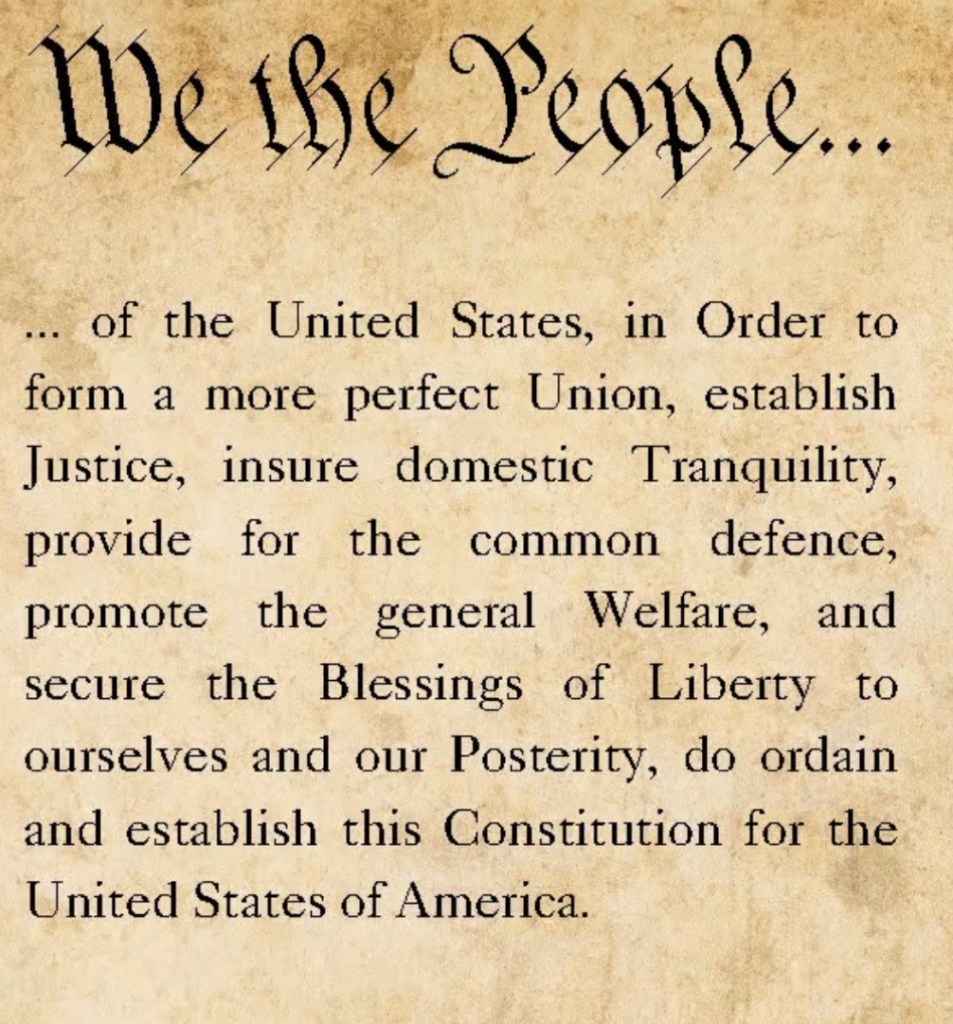
“Congress shall make no law respecting an establishment of religion, or prohibiting the free exercise thereof; or abridging the freedom of speech, or of the press; or the right of the people peaceably to assemble, and to petition the Government for a redress of grievances.”

The first amendment to the Constitution of the United States of America is one of the fundamental freedoms all Americans are guaranteed. Let’s examine these one by one. “Congress shall make no law respecting an establishment of religion, or prohibiting the free exercise thereof…”
- Establishment Clause: The government cannot establish a national religion or favor one religion over another.
- Free Exercise Clause: The government cannot interfere with a person’s religious practices. The United States of America does not have a national religion. We are not a Christian nation. We are a nation where the practice of any religion is a free choice. The government, the Executive, the Legislative, nor the Judicial, can interfere with anyone’s practice of their religion.
- Freedom of Speech Individuals are protected in expressing their opinions, but this right is not absolute. Unprotected categories of speech include incitement to violence, true threats, obscenity, and defamatory speech. This includes includes the President of the United States. Governmental Action Doctrine: The First Amendment applies to “state action” or “governmental action”. This means the Amendment’s restrictions apply not just to Congress but to all branches and agencies of the federal government, including the executive branch and the President’s actions.
- March 16, 2024, during a speech about the U.S. auto-manufacturing industry in Ohio (Trump’s campaign later said that he was referencing a “bloodbath” for the automaker industry) “If I don’t get elected … it’s going to be a bloodbath for the country.”
- September 29, 2024, proposing a violent crackdown by police to deal with crime, during a rally in Pennsylvania. “If you had one really violent day … one rough hour—and I mean real rough—the word will get out, and it will end immediately.”
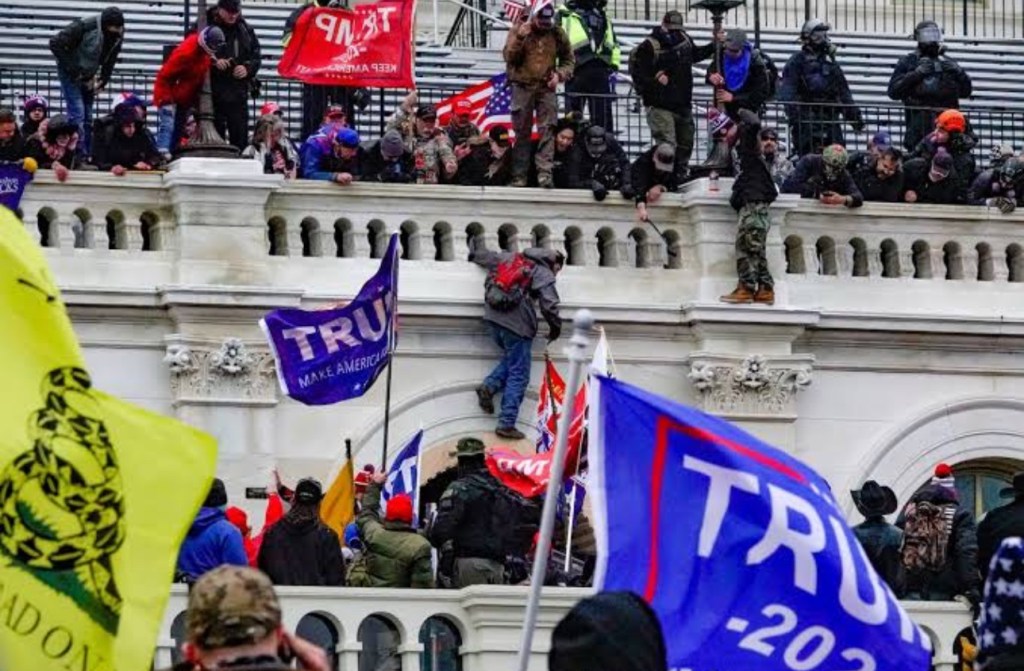
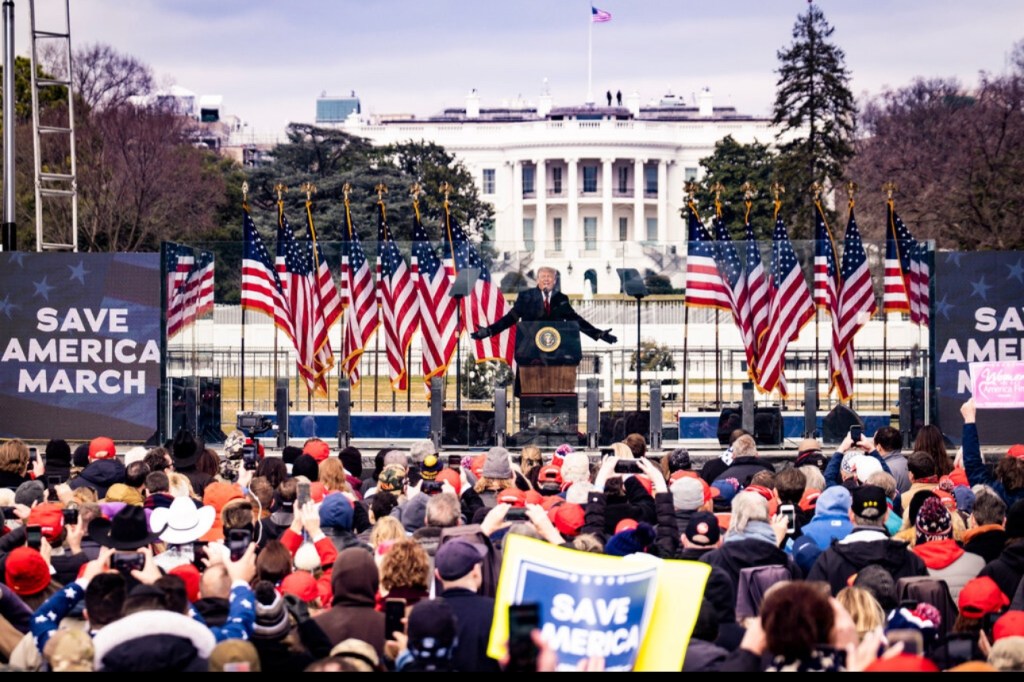
At the January 6th rally before mobs attacked the Capitol: “…we fight, we fight like hell, and if you don’t fight like hell you’re not going to have a country anymore.” Then the crowds at the rally were told, “So we are going to–we are going to walk down Pennsylvania Avenue, I love Pennsylvania Avenue, and we are going to the Capitol…” and he said he would walk with them.
President Donald Trump lobbed a series of attacks aimed at dismantling the free press earlier this year. These attacks include a $1.1 billion cut in public broadcasting funds to NPR and PBS stations, as well as a $10 billion defamation lawsuit against the Wall Street Journal. President Trump has made explicit threats to weaponize the government against the media, which have recently included threats to revoke broadcast licenses in political retaliation, investigate news organizations that criticize him, and jail journalists who refuse to expose confidential sources. His recent policy appears designed to amplify disinformation, which benefits a President of the United States who has proven willing to spread disinformation that furthered his political interests on matters, both small and large.
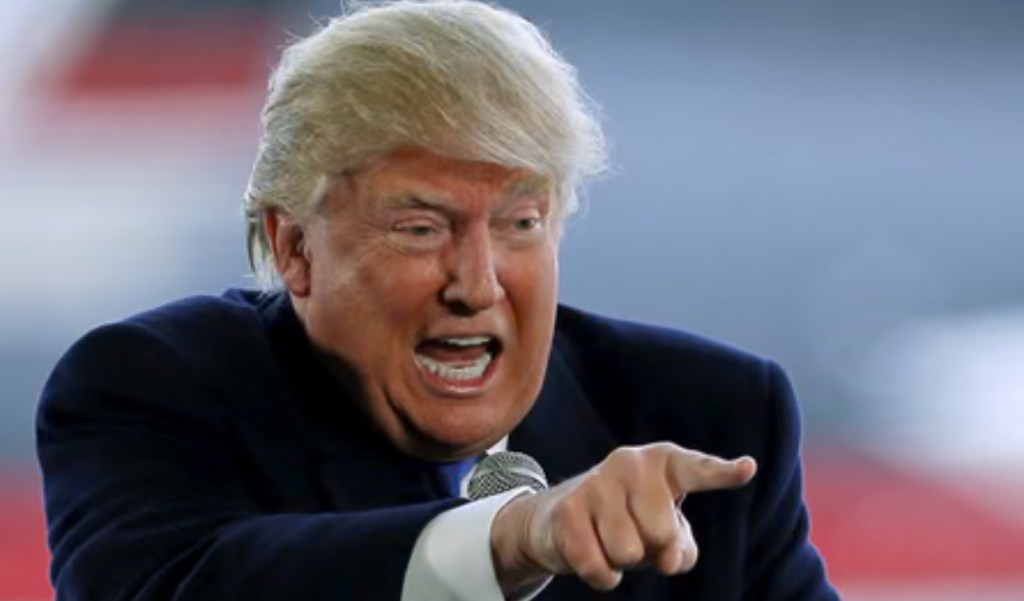
Among his first official acts on returning to the White House, President Donald Trump issued an executive order “restoring freedom of speech and ending federal censorship.” Meanwhile, he chose to pardon thirteen people who were convicted or charged with attacking journalists during the rampage on January 6th, 2021. This is not Trump’s most egregious attack on freedom of speech. He has systematically attacked a variety of newspapers, television personalities, and even a popular singer who have openly criticized him. In Trump’s world he is a “stable genius”, “everyone’s favorite president”, “very handsome ”, and other bizarre self-aggrandizing statements.
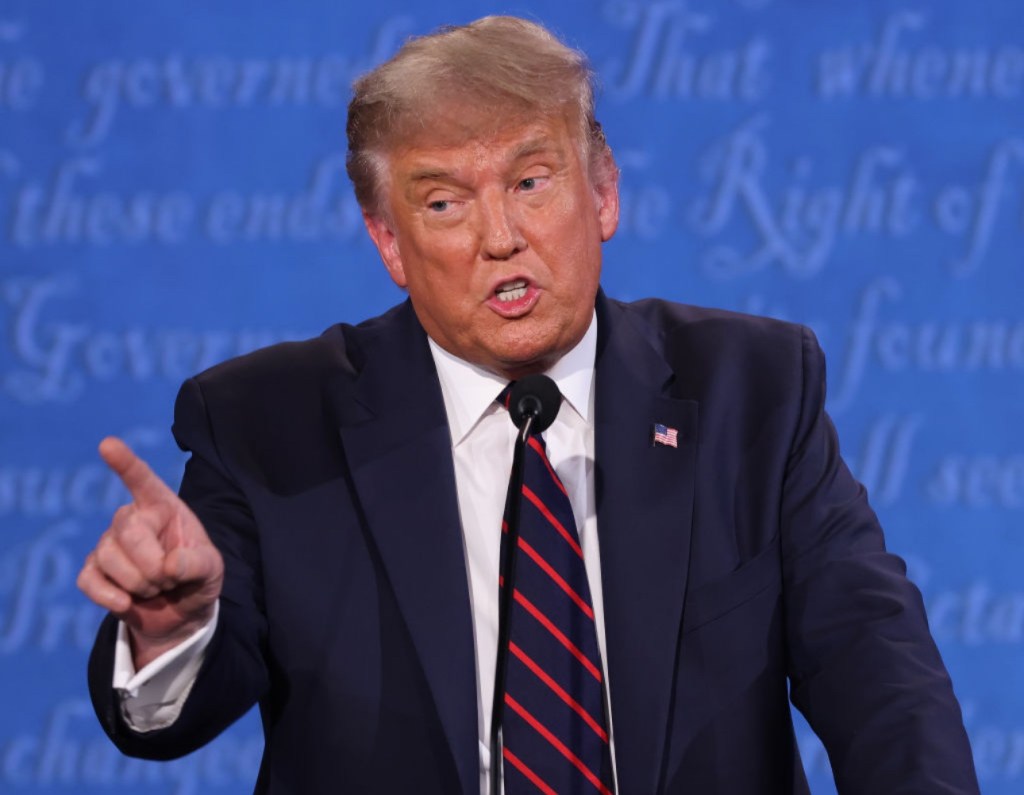
On October 31st 2024, at a campaign event, Trump called former US Representative Liz Cheney a “radical war hawk.” He continued by saying, “Let’s put her with a rifle standing there with nine barrels shooting at her, okay? Let’s see how she feels about it … when the guns are trained on her face.” Trump’s issue with Cheney stems from her outspoken disapproval of him and her repeated warnings of the dangers he represents to America. Liz Cheney was also one of the Minority Committee Members on the January 6th Insurrection Committee investigating Trump’s involvement in the attack on the Capitol.
This was not new behavior by Trump. In 2016 at a rally in Iowa, in response to a heckler in the crowd, he said, “If you see somebody getting ready to throw a tomato, knock the crap out of them, would you? Seriously, okay? Just knock the hell—I promise you, I will pay for the legal fees. I promise, I promise.”
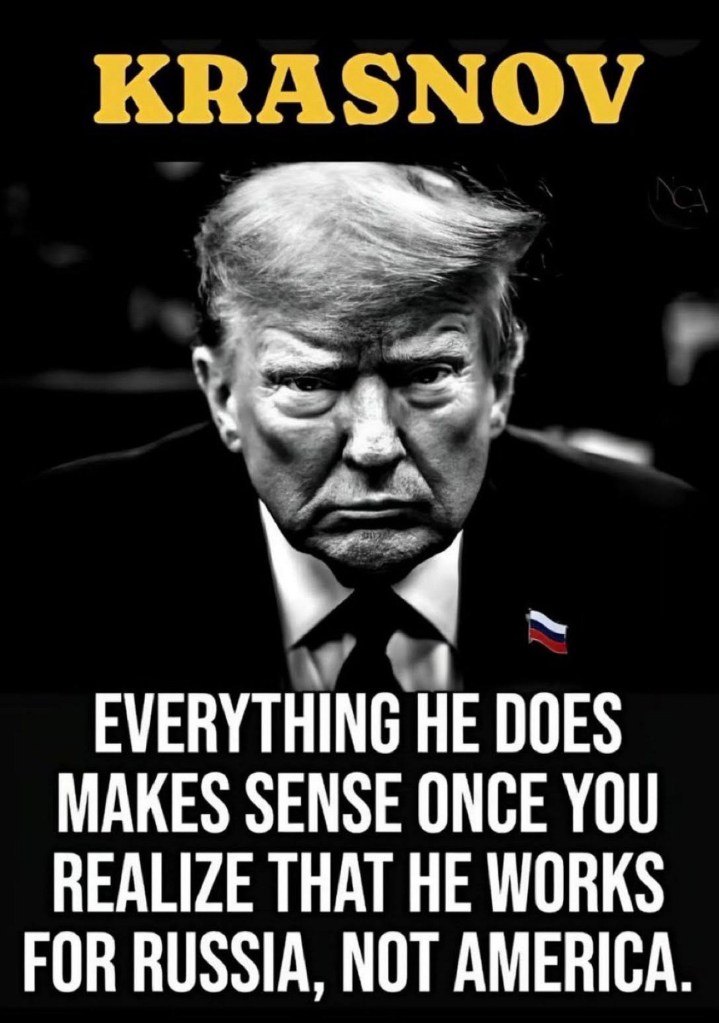
If the president of the United States, or a candidate for the position, speaks of and encourages violence without consequences, it sets an untenable position for the justice system. The words and behaviors of our leaders set the tone for the citizens. The question arises, if Trump’s behavior is accepted, can the courts be justified in punishing everyman? If one of Trump’s dedicated followers knocks the hell knocks the hell out of a protestor, will he be punished or will he use the example of a leader whose behavior is inexclusible to plead his actions were accepted?
The issue is more than a president who makes false statements or encourages violent behavior. It’s about behavior in direct contradiction to the First Amendment of the US Constitution. As citizens, we must question if there should be accountabilty for Trump’s language or should we, who must defend the Constitution, the core of our rights, stand by, giving tacit permission for our president to walk all over our founding principles?

 Between the Beats