

From Malta to Italy
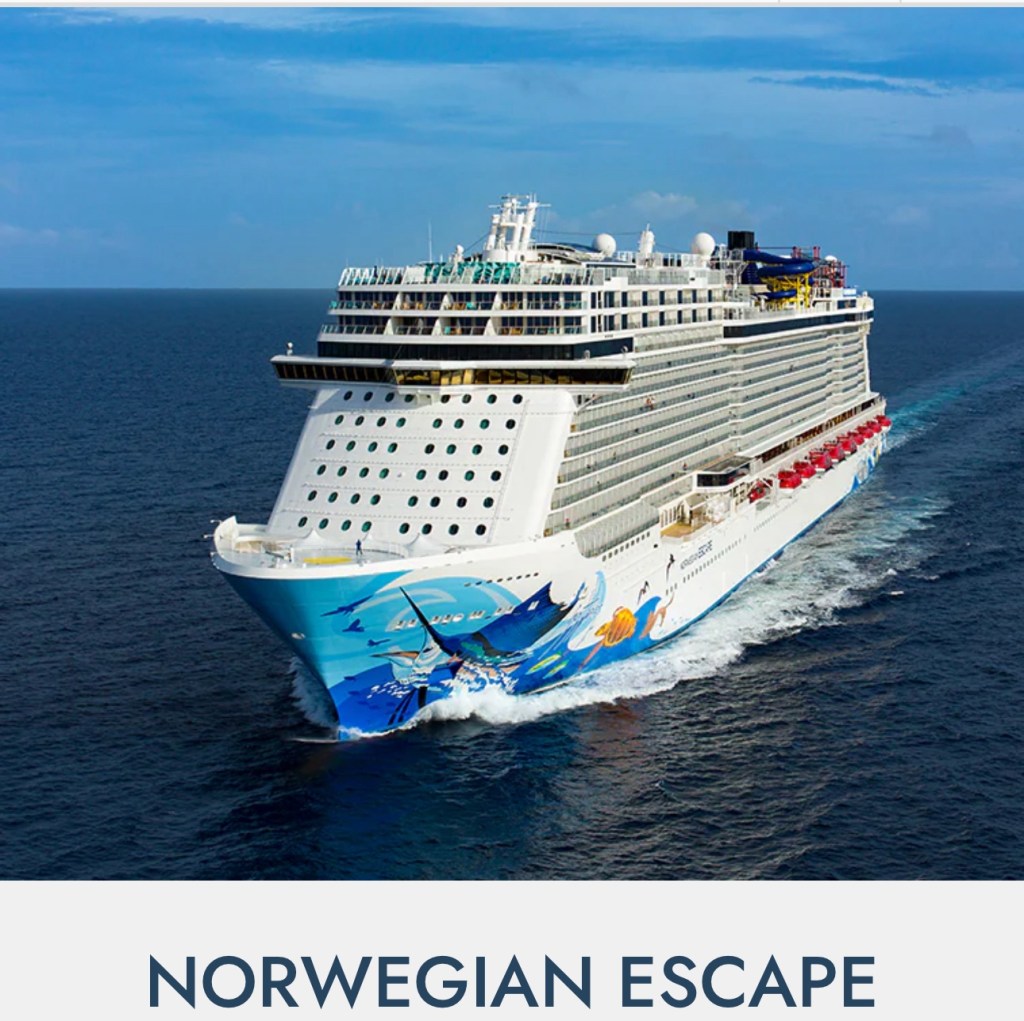
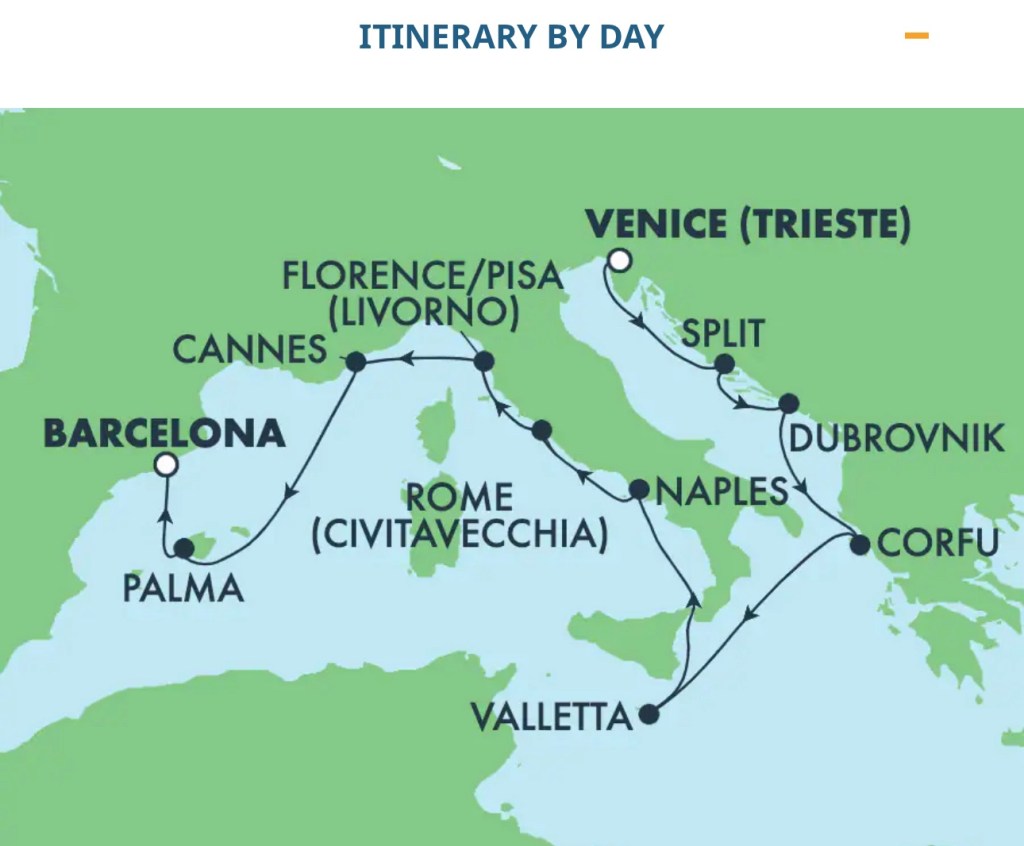
Leaving the Greek Island of Corfù, we set sail for Malta’s capital city of Valletta. This small island is often overlooked by tourists. It is, in fact a jewel in the Mediterranean Sea. The walled city of Valletta was founded in the 1500’s and only fifteen years was built. The baroque architecture is breathtaking. We didn’t have a lot of time in the city and it was a very hot day.
The port offers a large variety of shops for every budget. We first met a jewelry store owner who stood outside his store engaging passersby. While we didn’t go inside the store, we found the owner to be informative. He related a little about Valletta and even assisted us to reach the upper level of the market. He introduced us to the Italian owner of an incredible leather shop. I was very tempted by several items but managed to restrain myself. Although the gentleman told us there was very little crime in Malta, other shop owners advised us that pickpockets and purse snatchers were prevalent.
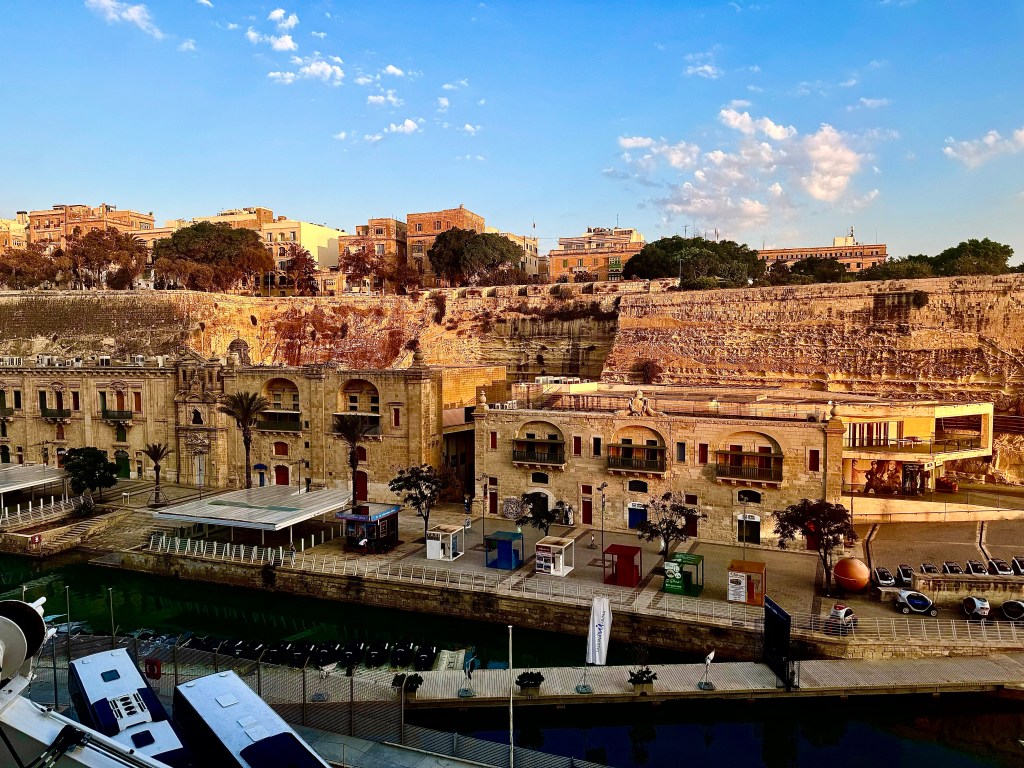
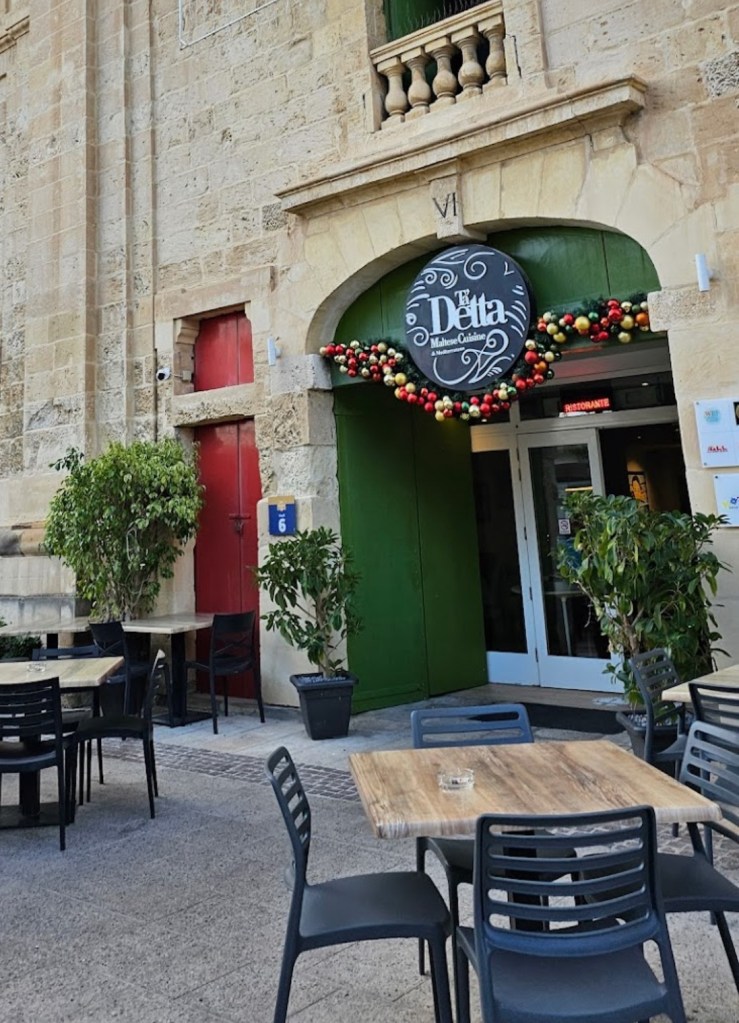
One of the fascinating details on the waterfront are the vibrantly colored doors on the shops and eateries.
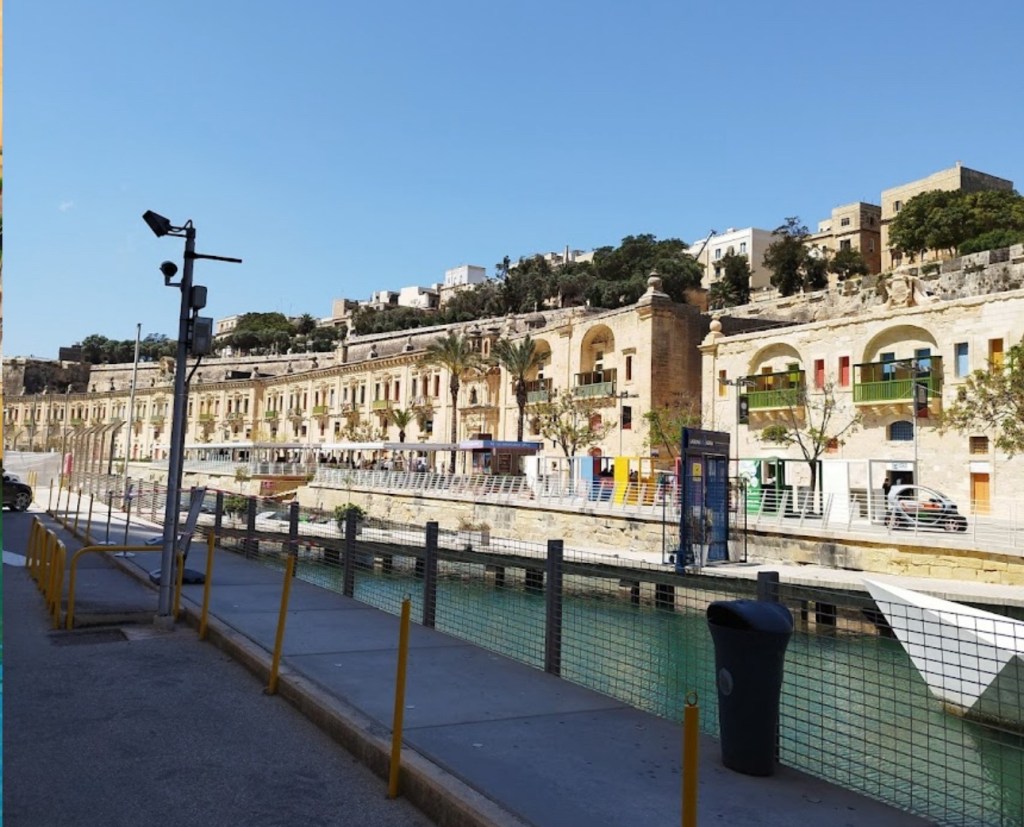
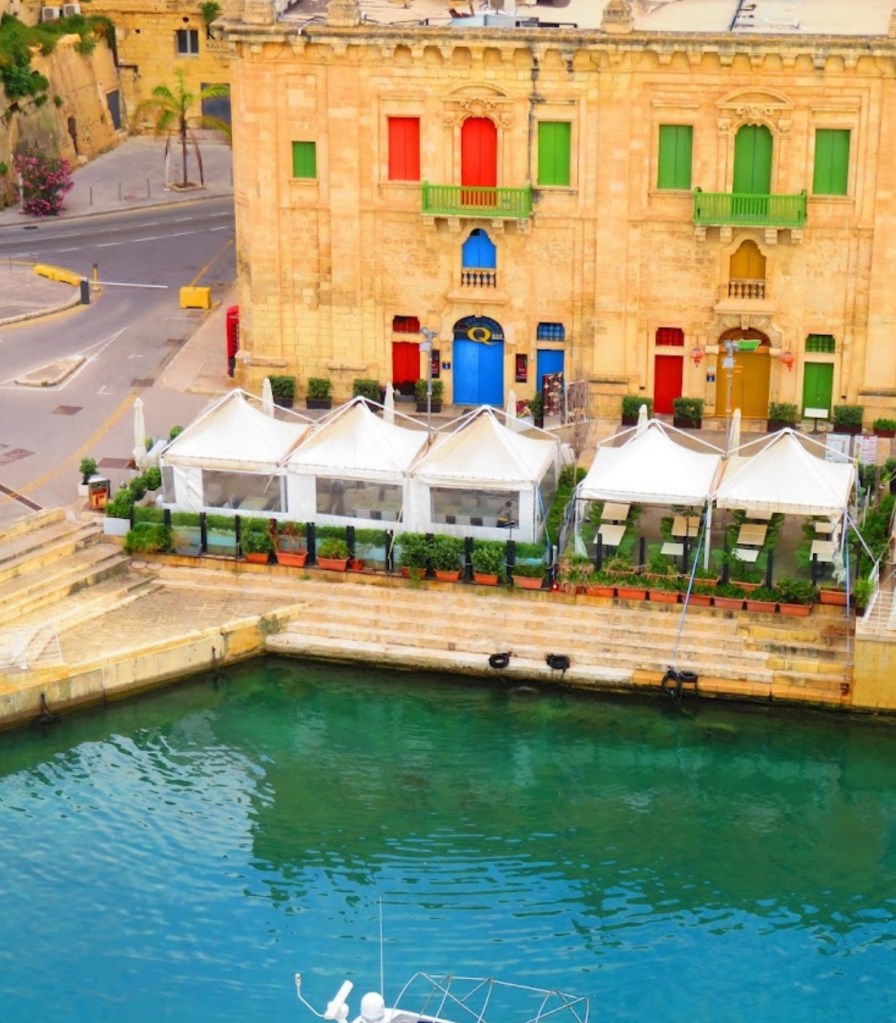
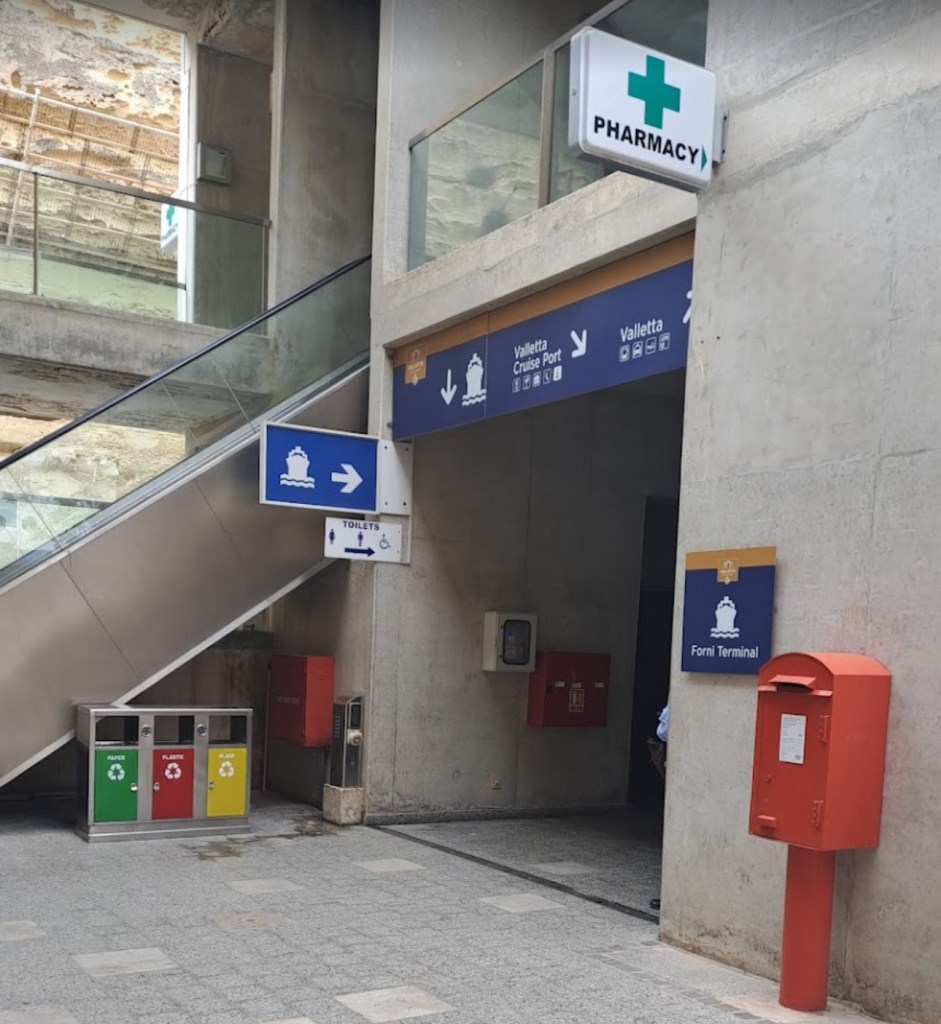
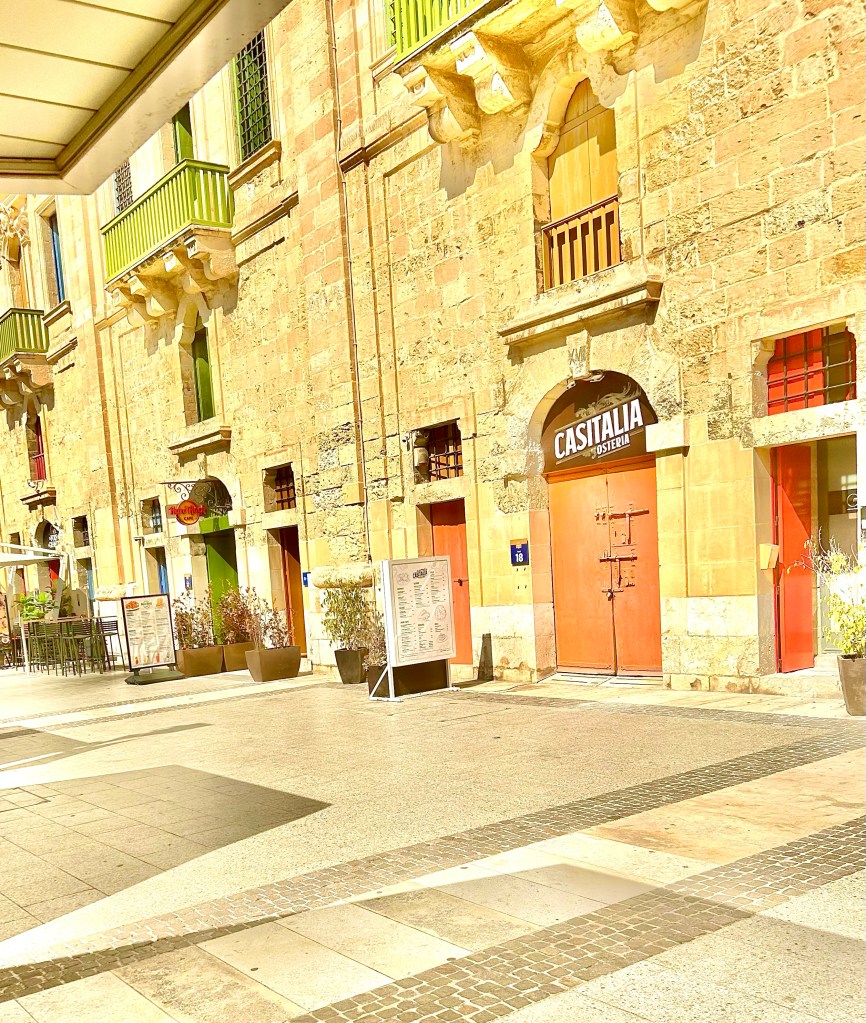
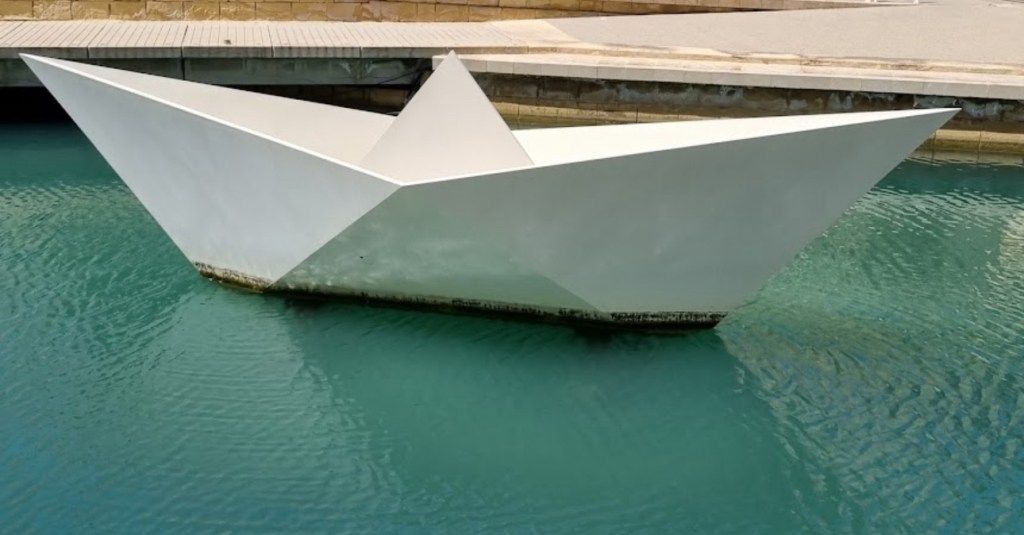
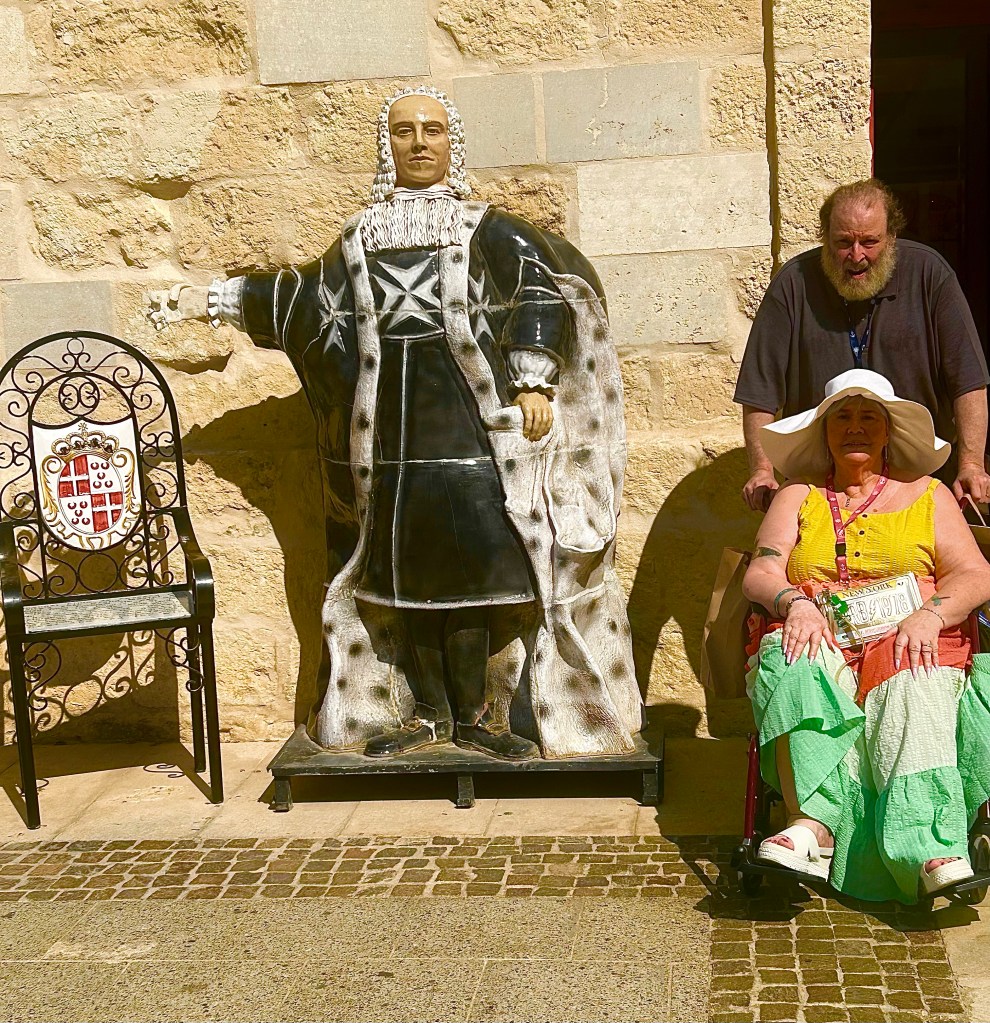
We found a fun display in front of one of the shops and couldn’t resist taking our photo!
I wish we had more time in this lovely and historical city. I hope to return on a cooler day! Our next stop is in Naples and the beginning of our tour of Italy. Check out my Cruising Three Blog to follow our adventures!
Valletta, the capital of Malta, has a rich history that dates back to the 16th century:
- Founding: The Knights of St. John, a Catholic military order, founded Valletta in 1565 after the Great Siege of Malta. The city was named after Jean Parisot de La Valette, the Grand Master of the Knights of St. John.
- Planning: Valletta was one of the first planned cities in Europe, with a grid system and tall buildings to keep the sun off the streets. The city was built on a limestone rock and surrounded by a large moat and huge walls to protect it from attack.
- Becoming the capital: Valletta became the capital of Malta in 1570.
- World War II: Valletta was badly damaged by bombing during World War II, and many historical buildings were destroyed or damaged. The ruins of the Royal Opera House were converted into an open-air theater.
- Post-war: After the war, Valletta was rebuilt and the British implemented a program to provide housing and build new buildings.
- Today: Valletta is a UNESCO World Heritage Site and the smallest capital of the European Union. It’s known for its Baroque architecture, historic landmarks, and vibrant cultural scene.
Some notable places to visit in Valletta include:
- Grand Master’s Palace The current Office of the President of Malta, which includes the Palace State Rooms and the Palace Armoury
- Casa Rocca Piccola The home of Don Pietro La Rocca, which features extravagant furnishings, objets d’art, and underground war shelters
- Sacra Infermeria A former state-of-the-art hospital that now houses the Mediterranean Conference Centre
- Manoel Theatre Europe’s oldest theater still in operation, built in 1731
- Fort St Elmo Houses the National War Museum, which provides a historical account of wars fought in Malta
Above is AI generated

 Between the Beats
I spent a lot of time in Malta during my younger days.
The waterfront, the Grand Harbour, housed a wonderful bar, a throwback to British colonial times. Waiters in red tuxedo’s, potted palms, arched French windowss facing the water, and they served one of the best John/Tom Collins cocktails on the planet.
Sadly all gone now, but wonderful memories.
Malta may be a small island, but it has great history and provenance. So glad you found it so.